

Change language
Rémy Métailler's latest video isn't about riding faster.
It's about being better prepared for when things don't go according to plan.
Mountain biking involves risk. That’s part of what makes it mountain biking. But accepting risk and ignoring it are two very different things.
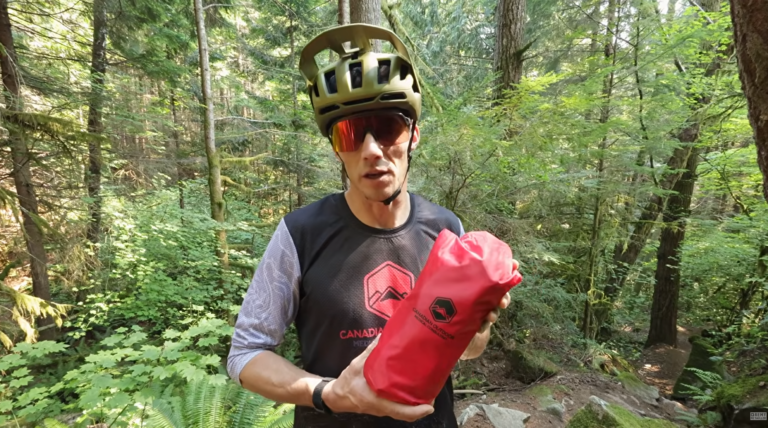
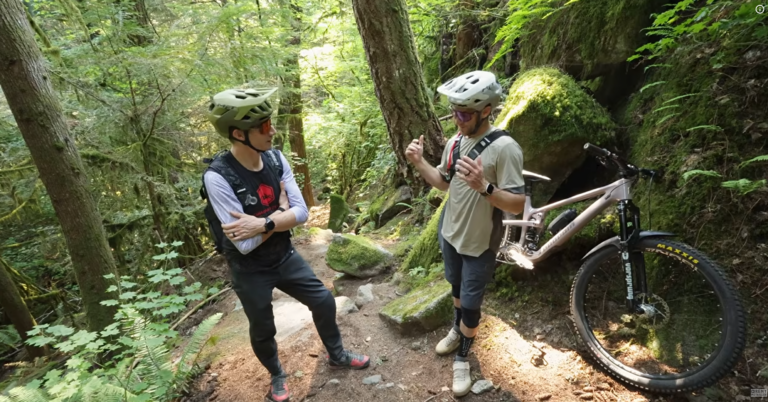
In his latest video, Rémy Métailler once again steps away from simply showing us what he can do on a bike to talk about something arguably more important: what happens when things go wrong. Joined by Canadian Outdoor Medical, Rémy explores first aid, emergency response, communication, rescue and the equipment riders should consider carrying before heading onto the trail. The central lesson is simple: preparation begins before the ride does.
PREPARED IS NOT THE SAME AS CAUTIOUS
The discussion begins with knowledge. Take a proper first-aid course. Understand where you’re riding. Know how you would call for help. Carry equipment appropriate for the length and remoteness of the ride. Rémy also revisits a point from his earlier risk-assessment video: plan the ride, wear appropriate protection and make sure your equipment is appropriate for what you’re about to do. None of those things removes risk. They simply mean you’ve done something about the variables you can control. That’s a philosophy we understand rather well at Hayes.
CONTROL STARTS BEFORE YOU NEED IT.
Your brakes can’t decide which line you should ride. They can’t tell you whether a feature is beyond your ability. And they certainly aren’t a substitute for good judgement, preparation or skill.
What they can do is provide consistent, predictable control when you ask for it.
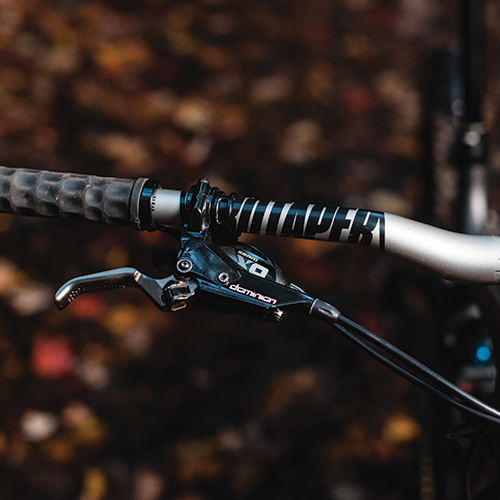
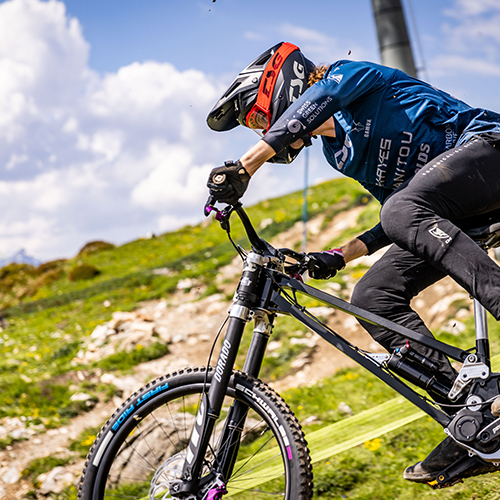
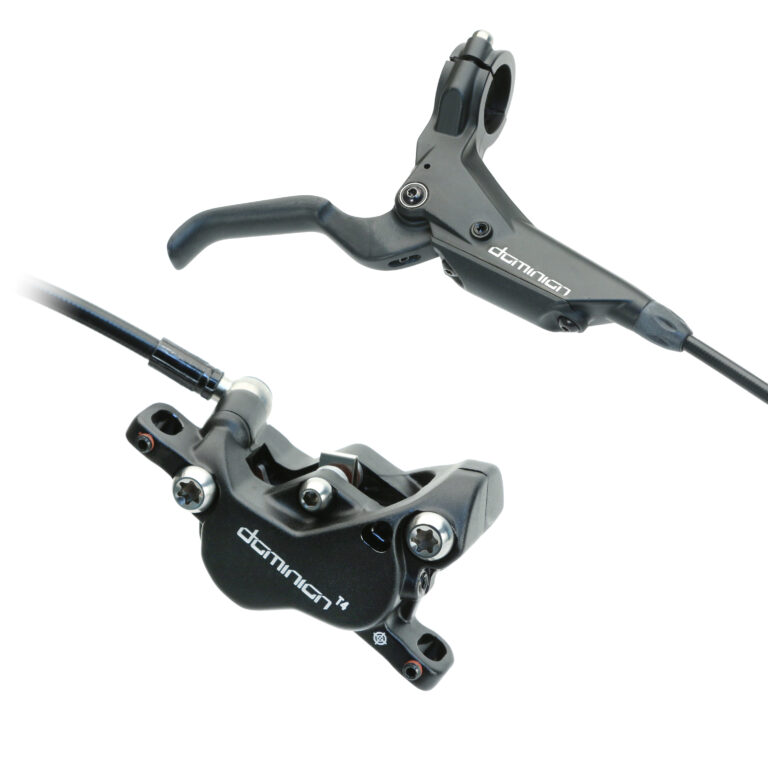
That’s why reliability matters every bit as much as outright braking power. Dominion is engineered so the lever you reach for today feels like the lever you reached for yesterday. Power is there when it’s needed. Modulation lets you decide how much of it to use. Consistency removes one more uncertainty from a sport already filled with variables.
Because when the trail suddenly becomes steeper, faster or more technical than expected, that’s a particularly bad moment to start wondering what your brake is going to do.
THE BEST EMERGENCY PLAN STARTS BEFORE THE EMERGENCY.
One of the strongest messages in Rémy’s conversation is how much happens before an accident ever occurs. Know the environment. Understand whether you’ll have cell service. Carry a first-aid kit appropriate to the ride. Know how to communicate your location. If you’re riding alone, make sure somebody knows where you are. And as rides become longer or more remote, carry the additional essentials that could turn a difficult situation into a manageable one.
Rémy and Canadian Outdoor Medical also make an important observation about mountain bikers: in summer, we’re often tempted to go fast and light, carrying almost nothing. Their advice is to think beyond the perfect ride and prepare for the possibility that it doesn’t remain perfect.
We’d add one more item to that pre-ride thinking:
Know your bike.
Check it. Maintain it. Choose equipment appropriate for where and how you ride. And don’t treat reliability as something you’ll worry about after something goes wrong.
RISK IS PART OF RIDING. PREPARATION SHOULD BE TOO.
Rémy rides terrain at a level few of us ever will. What makes this video particularly valuable is that its message applies to almost everyone who throws a leg over a mountain bike.
You can’t know exactly what every ride will bring.
You can know where you’re going.
You can carry the right equipment.
You can develop the right skills.
You can maintain your bike.
You can choose components you trust.
You can’t control everything.
Control what you can.
Hayes Dominion. Maximum control. Proven reliability. Ready when you need it.